Transportation and Logistics
Efficiency and Cost Management
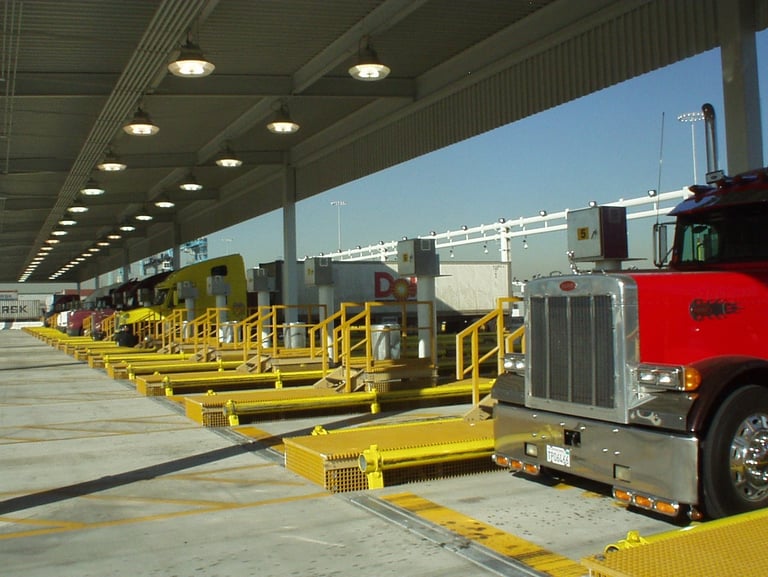
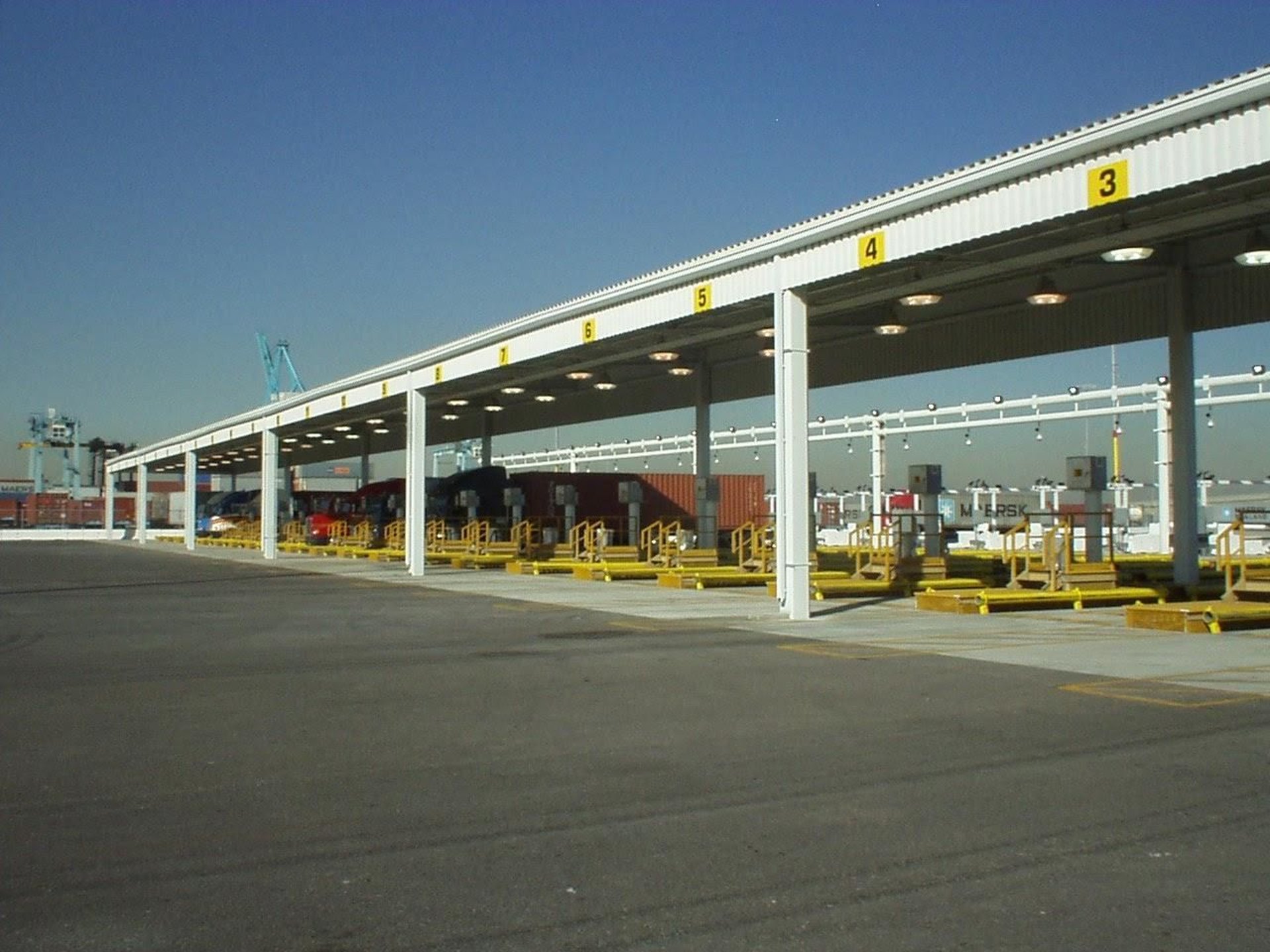
Accurate scales directly impact a company's bottom line. They ensure correct freight pricing, preventing lost revenue from undercharging and customer dissatisfaction from overcharging. Real-time weight data also helps logistics managers optimize load distribution to maximize vehicle space and reduce fuel consumption, which is especially crucial for trucks.
Ensuring Safety and Regulatory Compliance
Overloaded vehicles are a significant hazard, leading to increased risk of accidents, tire blowouts, and damage to road infrastructure. Scales, such as portable axle scales and truck scales, and cargo scales are essential for ensuring that trucks, planes, and ships comply with strict legal weight limits. By accurately weighing loads before they hit the road or take off, companies avoid hefty fines and penalties, ensuring a safer environment for everyone.
Streamlining Operations
Scales are often integrated with warehouse management systems (WMS) and other logistics software. This connectivity automates data capture, eliminating manual data entry errors and providing real-time inventory updates. Whether it's a forklift scale weighing a pallet as it's moved or a conveyor belt scale measuring items in motion, these systems create a seamless workflow that speeds up processing times and improves overall operational efficiency. This integration also helps in tracking inventory, managing stock levels, and forecasting demand more accurately.
Corporate Office:
5148 Western Way
Perris, CA 92571
Mailing Address:
75 West Nuevo Rd, Unit E
Box #708
Perris, CA 92571
Locations
© 2026. Left Coast Scales, LLC All rights reserved.
Riverside/ Los Angeles
5148 Western Way
Perris, CA 92571
800-618-0746
Imperial Valley/Yuma
1402 West Pico
El Centro, CA 92243
909-266-0896
Phoenix
688 N. San Marcos Dr.
Apache Junction, AZ 85120
602-433-6259